Renter-Friendly Cabinet Handles: Swap Ideas With No Damage
New handles can change a whole kitchen in an afternoon — and in a rental, they are one of the few upgrades that leave no trace when you move out. Renter friendly cabinet handles come in two renter-safe forms: screw-in pulls and knobs that reuse the holes already in the doors, and peel-and-stick handles that attach with strong removable adhesive and lift off without a mark. Below are 12 swap ideas for kitchens, bathrooms, and bedrooms, plus how to measure, what to ask your landlord, and how to put the originals back on move-out day.
Before You Buy: Measure, Photograph, and Ask First
The golden rule of renter friendly cabinet handles is simple: reuse the holes that are already there. Take one pull off and measure from the centre of one screw hole to the centre of the other — that is the centre-to-centre measurement, and it is the number that decides whether a new pull fits. The two most common sizes in US rentals are 3 inches (76 mm) and 3-3/4 inches (96 mm), with 5 inches (128 mm) common on wider drawers. A clear measuring guide with the common sizes is this replacement-pull measuring guide.
Before anything comes off, photograph every cabinet front and drawer with the original hardware in place, then bag the old handles with their screws and label the bag by room. Check the lease for any line about fixtures or alterations, and ask the landlord in writing before swapping anything that screws in — most landlords say yes to a same-hole swap, and a written yes protects the deposit. For the bigger picture, these renter-friendly apartment decorating ideas show how small swaps add up across a whole rental.
12 Renter-Friendly Cabinet Handle Ideas for Renters
Every idea below works without new holes or permanent changes. Pick one style per room, keep the finish consistent within that room, and start with a single test piece before ordering a full set.
1. Matte Black Bar Pulls for a Modern Kitchen
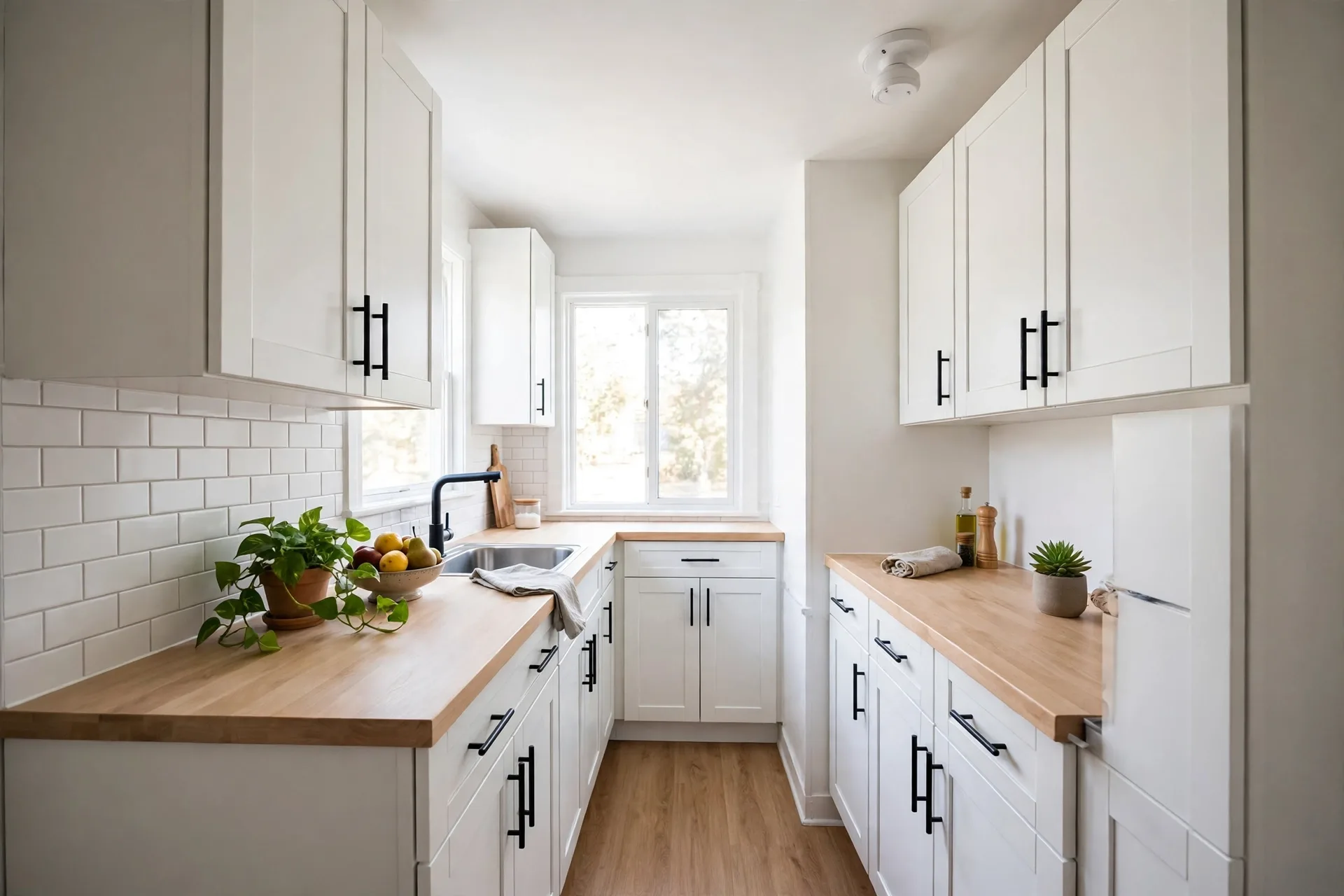
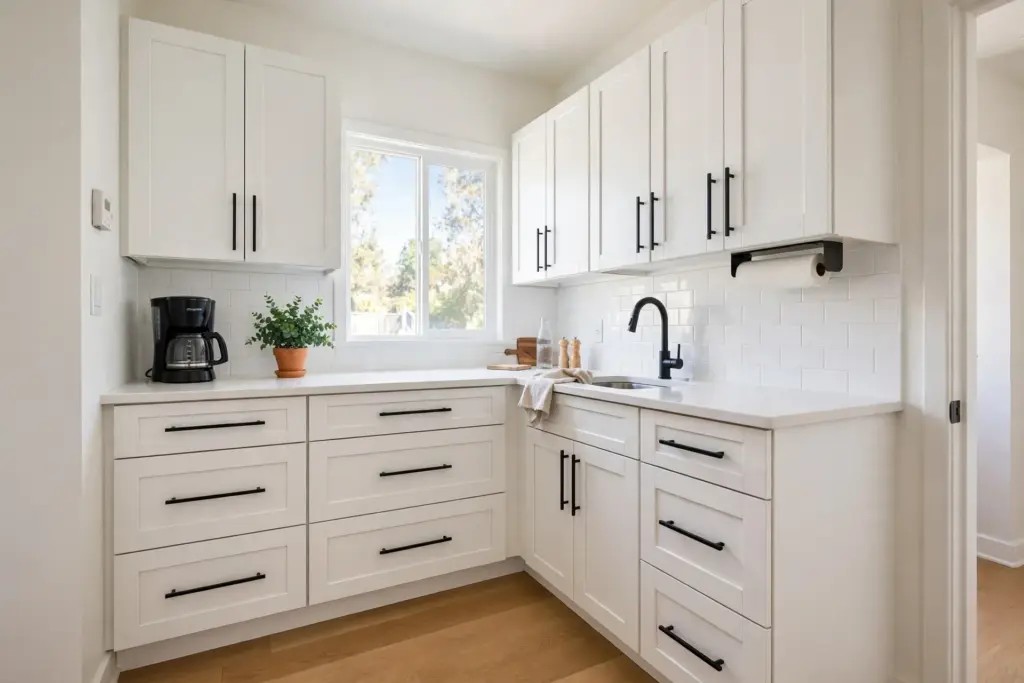
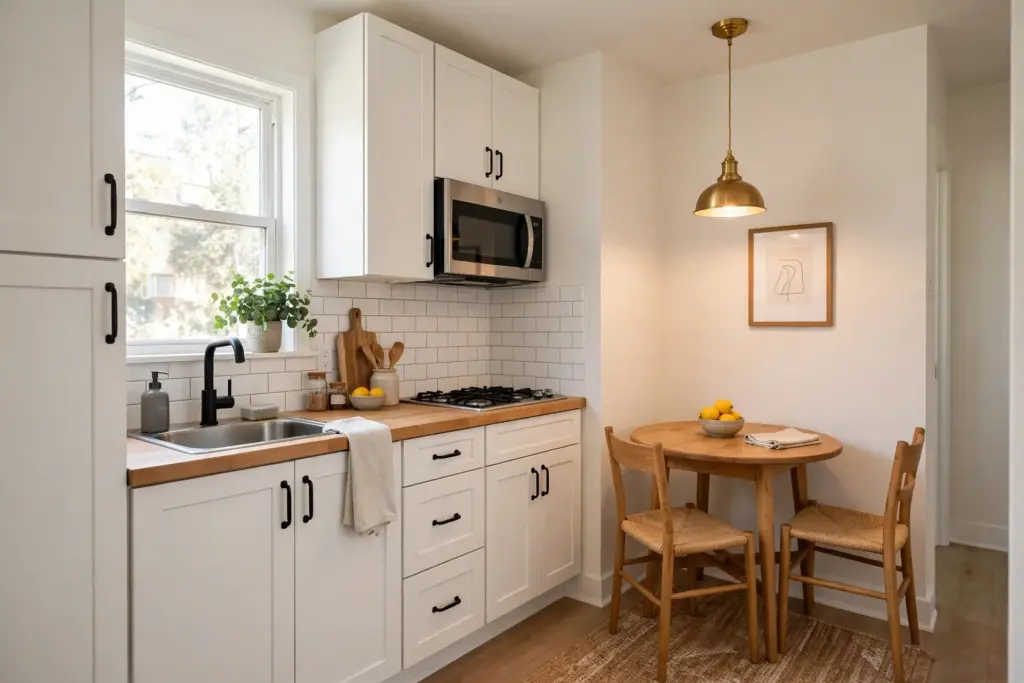
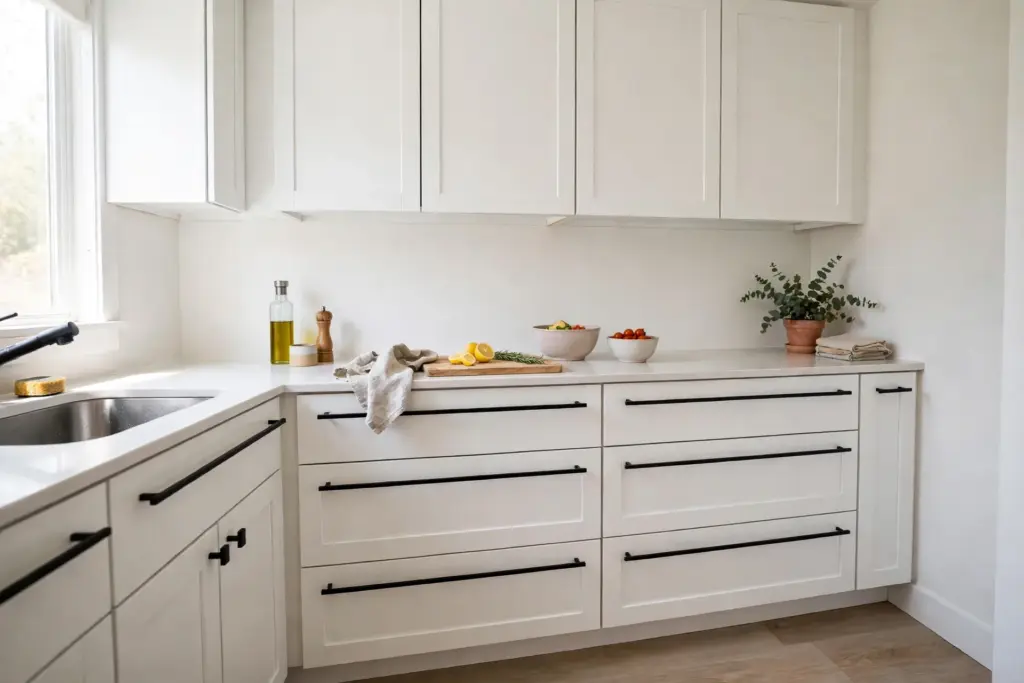
Matte black bar pulls are the fastest way to make builder-grade white or oak cabinets look current. The slim horizontal bar suits flat-front and Shaker doors alike, and black reads as intentional rather than trendy, so it pairs with almost any countertop. Choose a pull whose overall length is about one third of the drawer width — on a standard 18-inch drawer, a pull with 5-inch centre-to-centre spacing looks balanced.
2. Warm Brass Knobs on a Bathroom Vanity
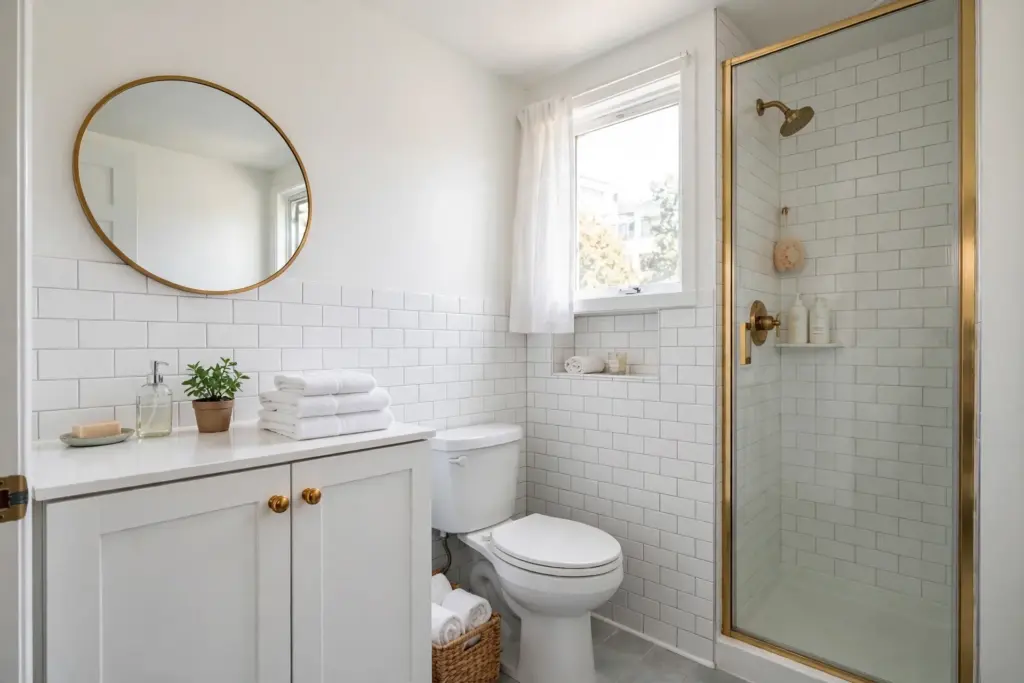
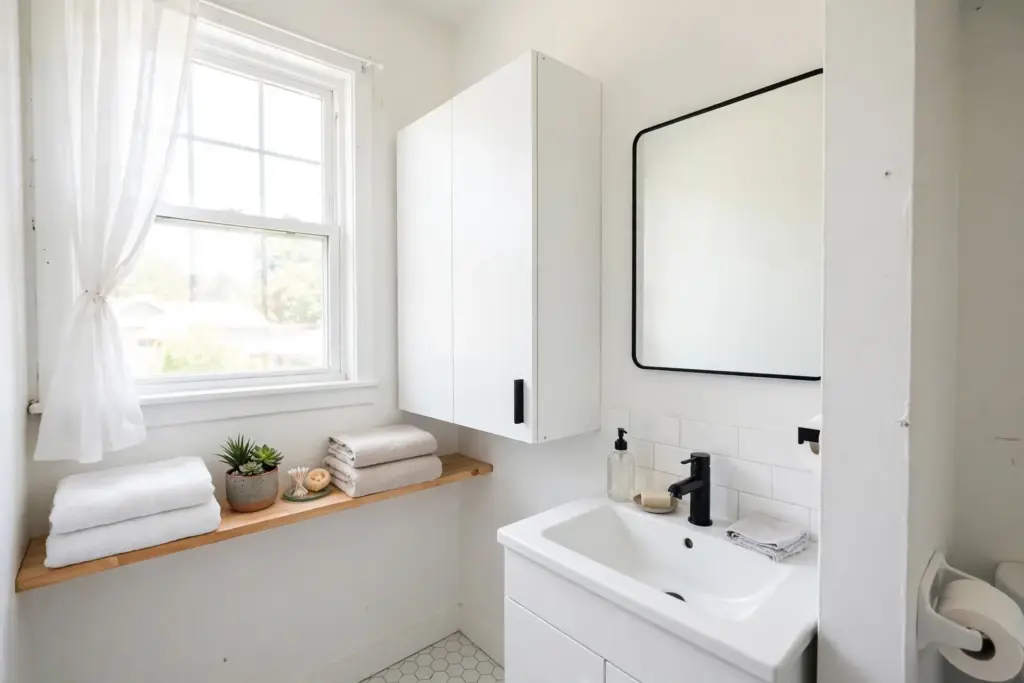
A bathroom vanity is the smallest place to try a new finish, which makes it the safest first swap in the apartment. Warm brass knobs soften the cold look of chrome faucets and white tile, and because a vanity usually has only two to four doors, the whole change costs a handful of knobs.
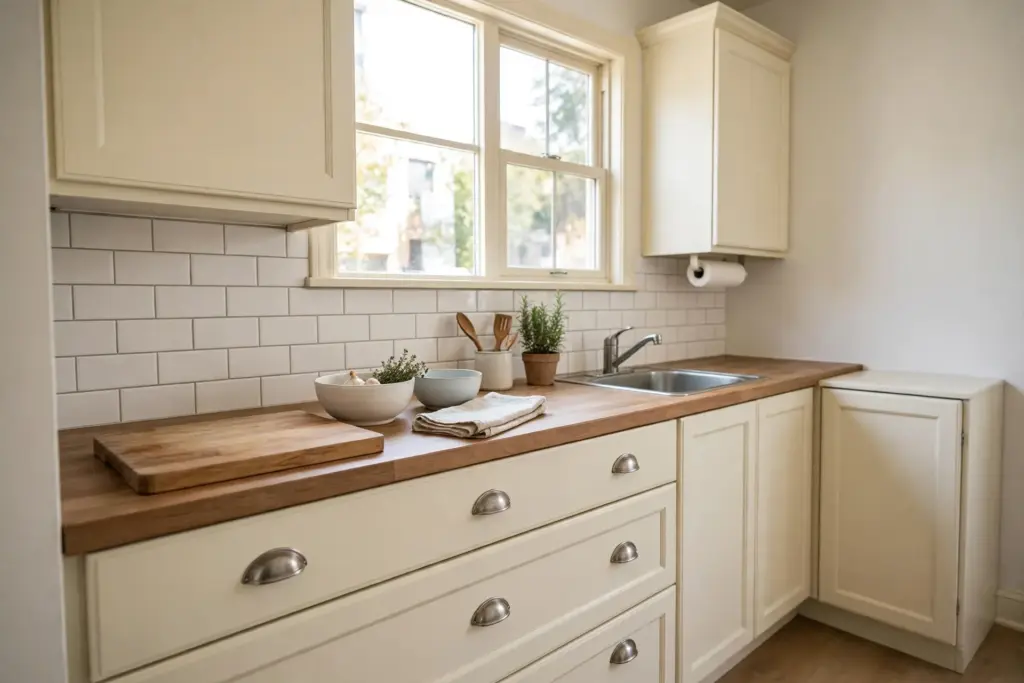
3. Cup Pulls for Deep Kitchen Drawers
Cup pulls — the half-shell shape that cups the fingers from underneath — suit deep drawers that hold pots, pans, and heavy dishes. The shape spreads the pulling force across the drawer front, so a loaded drawer opens smoothly instead of tugging at one screw. Measure the drawer width first: a cup pull should span roughly a third of the front, and on drawers wider than 30 inches, two smaller cup pulls spaced evenly beat one oversized one.
4. Peel-and-Stick Handles for a Truly No-Drill Swap
Peel-and-stick handles are the only option that needs no holes at all, which makes them ideal for glass-front cabinets, flat laminate doors, or any lease that forbids screws. Strong removable adhesive pads hold a lightweight pull or knob in place, and the handle peels off with gentle heat from a hair dryer when it is time to move. Test one on a hidden corner of a door first,
5. Leather Tab Pulls for a Bedroom Dresser
Leather tab pulls bring a soft, quiet feel to a bedroom dresser or a wardrobe door — no metal clink when a drawer closes, and no cold touch on a winter morning. A leather loop screws through the existing single hole of a knob, so the swap is a one-screw job per drawer. Choose a mid-brown or black leather that matches the bed frame or the dresser itself, and keep the loops short so they do not flop.

6. Ceramic Knobs for a Cottage Kitchen
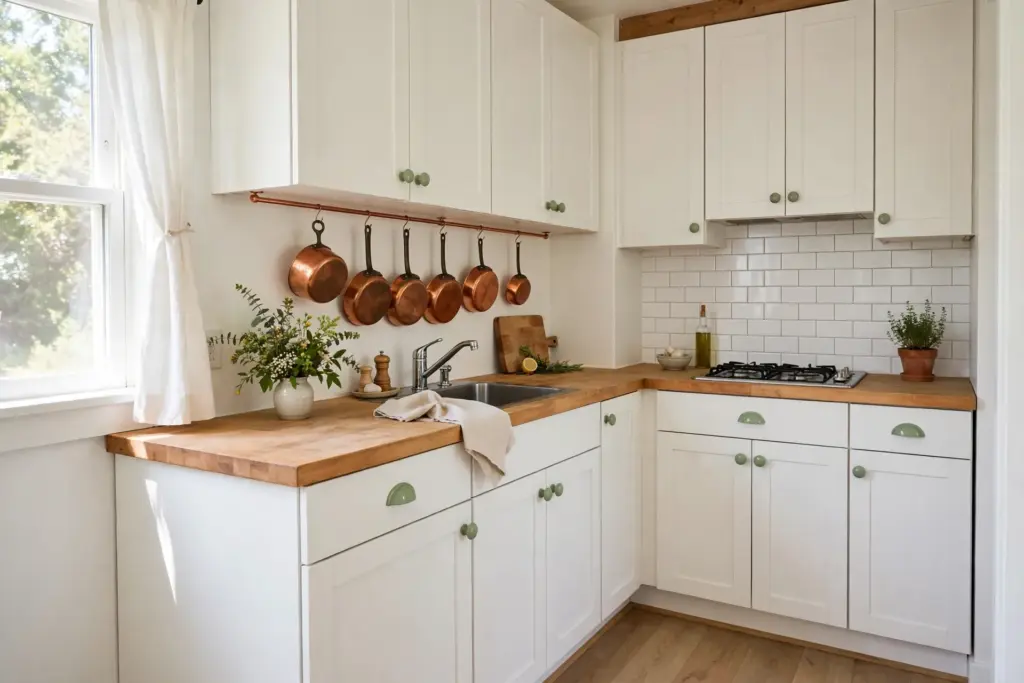
Painted ceramic knobs are the easiest way to add colour to a kitchen without painting anything. A soft sage, dusty blue, or cream knob on white cabinets reads as a deliberate accent, and because knobs are small, the colour never overwhelms the room. They are also the cheapest swap in this list: a full kitchen of knobs costs far less than a set of long pulls. Check that the knob base sits flat against the door, since a wobbling knob will loosen over time.
7. Mixed Metals, One Finish per Room
Mixing metals across the whole apartment looks collected rather than chaotic — as long as each room keeps one finish. Try matte black pulls in the kitchen, warm brass knobs in the bathroom, and brushed nickel on the bedroom dresser. The rule is simple: never mix two finishes on the same cabinet run, and keep the finish consistent within each room.
8. Backplates That Hide Old Holes
When the new pull is shorter than the old one, the old screw holes show — and backplates solve that without filler or paint. A slim rectangular backplate sits behind the new knob or pull and covers the unused hole completely, so the cabinet face looks untouched. Choose a backplate in the same finish as the new hardware, and check that its length covers both old holes before ordering a full set.
9. Oversized Pulls on Wide Pantry Drawers
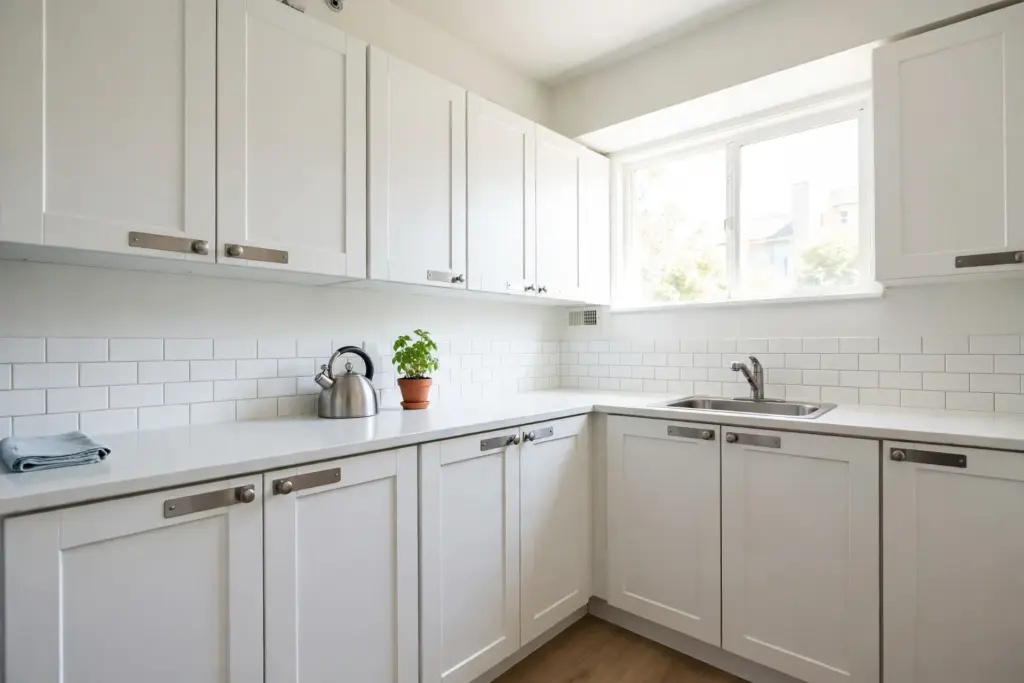
Wide drawers — the 30-inch pantry drawer or the deep drawer under the cooktop — need a longer pull, or the drawer twists when it is pulled from one side. A pull with 8-inch or longer centre-to-centre spacing, or two matching pulls spaced at the quarter points, keeps a wide drawer moving straight. Before ordering, measure the drawer and hold a strip of paper cut to the pull length against the front; if the paper looks lost or crowded, adjust the size.
10. Glass Knobs That Catch the Light
Glass knobs suit a dark kitchen or a small bathroom that needs more light. A clear or lightly tinted glass knob catches daylight and lamplight, and the sparkle draws the eye away from dated cabinet boxes. Glass knobs are also easy to clean — a quick wipe removes fingerprints — and they are light enough for any single-hole door, including the thin doors on older rental cabinets.
11. Slim T-Bar Pulls for Tall Pantry Doors
Tall pantry doors and full-height linen cabinets need a pull that can be grabbed at any height, and a slim vertical T-bar does exactly that. Mounted upright on the door edge, a T-bar gives a full handhold from top to bottom, which helps when the door is heavy or the shelves behind it are deep. Keep the bar the same finish as the other hardware in the room, and align every vertical pull at the same distance from the door edge so the run looks straight.
12. One Handle Style Across Every Room
For renters who want the apartment to feel like one home rather than a set of rooms, a single handle style everywhere is the calmest choice. The same matte black knob on the kitchen, bathroom, and bedroom doors ties the rooms together, and buying one style in bulk is usually cheaper per piece than three small packs. Keep one spare handle and a few spare screws in the labelled bag with the originals, so a loose piece can be fixed in minutes.
How to Swap Cabinet Handles Without Drilling New Holes
Most renter friendly cabinet handles install with a screwdriver in under a minute per piece, and the whole kitchen usually takes less than an hour. Remove one old handle, clean the door behind it, and test-fit the new piece in the same holes before ordering the rest — one test piece catches a wrong measurement before it becomes a full set. Hold the new pull in place, thread the screw through from inside the door, and tighten by hand first, then snug it with a screwdriver without forcing it; overtightening can strip the thread or crack a ceramic knob. This placement guide shows the usual positions for knobs and pulls on doors and drawers. For a wider kitchen refresh built around the same swap, see these rental kitchen makeover ideas.
Move-Out Day: Put the Originals Back
Reversing the swap is the same job in reverse, and the labelled bag plus the move-in photos make it quick. Take the new handles off one cabinet at a time, refit the original in its photographed position, and tighten each screw until snug. Peel-and-stick handles come off with gentle heat and a slow peel; any adhesive residue usually lifts with warm soapy water, but follow the adhesive maker’s removal instructions first. Walk the rooms with the photos afterwards and check that every handle sits straight and every screw is present — a missing original handle is a small thing that can still cost part of a deposit. If the kitchen needs more than handles, these corner kitchen cabinet organization ideas and kitchen drawer organization ideas use the same no-damage approach inside the cabinets.
Frequently Asked Questions (FAQ)
Can renters change cabinet handles?
Yes — renter friendly cabinet handles are one of the safest swaps a renter can make, because most replacements reuse the holes already in the doors and leave no new marks. Check the lease, ask the landlord in writing, keep the originals, and put them back before moving out.
Do I need my landlord’s permission to swap cabinet handles?
Ask in writing before swapping anything that screws in, even when it reuses existing holes — a short message with a photo of the planned handles is usually enough, and a written yes protects the deposit.
What size cabinet handles fit existing holes?
Measure centre-to-centre between the two screw holes on the old pull. The most common sizes in US rentals are 3 inches (76 mm) and 3-3/4 inches (96 mm), with 5 inches (128 mm) common on wider drawers. Buy a pull with the same centre-to-centre number and it will fit the old holes; knobs only need one hole, so any knob fits.
Will peel-and-stick handles damage cabinets?
Peel-and-stick handles made for cabinets are designed to remove cleanly from sound painted or laminate surfaces when the maker’s removal steps are followed. Test one on a hidden spot first, avoid damaged or peeling veneer, and use gentle heat for removal rather than forcing the handle off.
How do I store the original handles?
Put every original handle and its screws in one labelled bag per room, add a photo of each cabinet front with the originals in place, and keep the bag in a drawer that is easy to find on move-out day.